The Exploding Odometer Fraud Crisis Hiding in Plain Sight
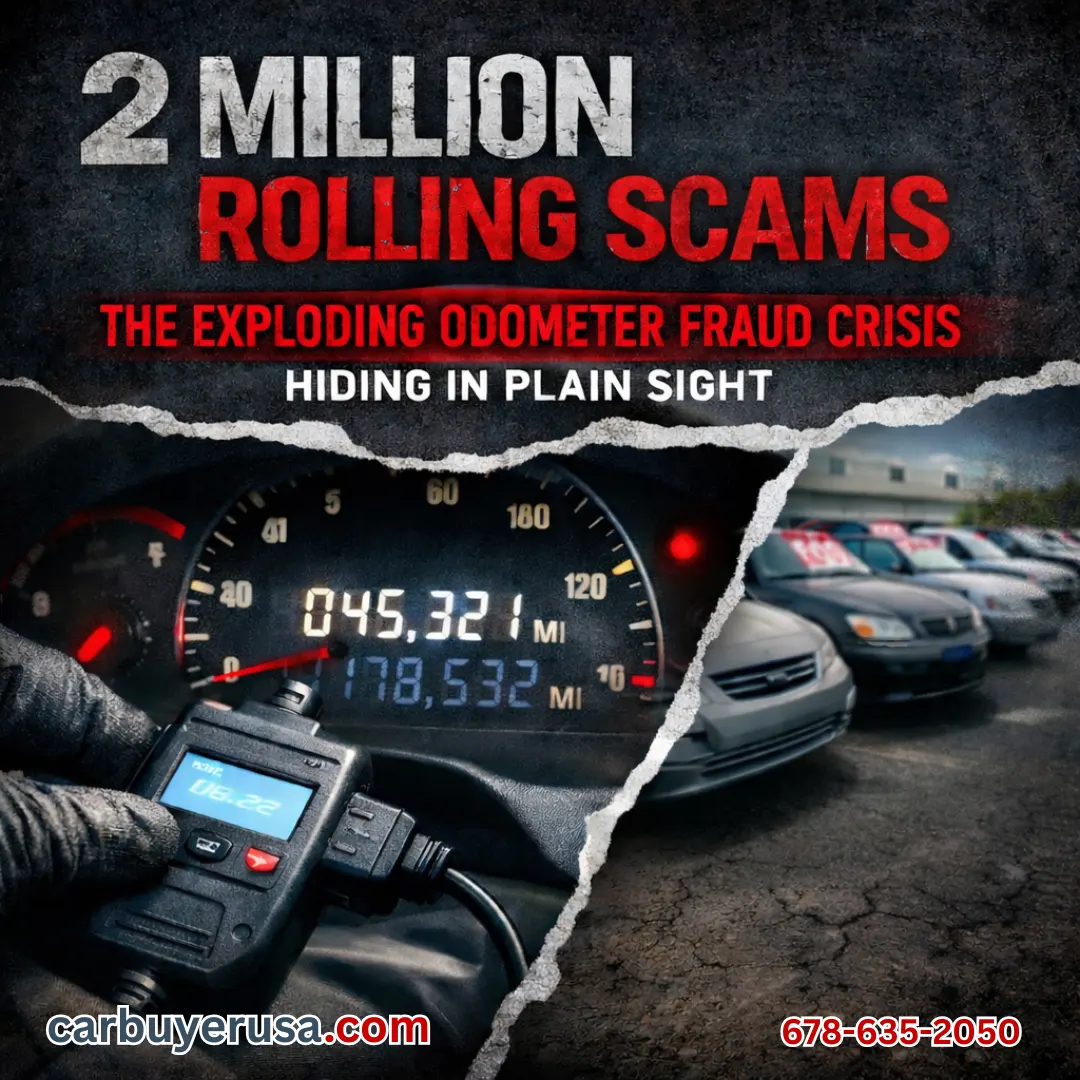
A recent investigation highlighted by ABC News has reignited serious concerns in the automotive world: odometer rollbacks are not just a relic of the past, they are growing. Industry data now suggests that more than two million vehicles on U.S. roads may have tampered mileage, and the number continues to climb each year.
For buyers and sellers alike, that’s not just alarming, it’s expensive!
The Silent Crime in the Used Car Market
An odometer rollback happens when someone illegally alters a vehicle’s mileage to show fewer miles than it has actually traveled. Years ago, this required physically manipulating mechanical odometers.
Today, with digital dashboards, the crime has simply evolved. Modern mileage data can be altered using inexpensive electronic tools that plug directly into a vehicle’s onboard diagnostic system.
The result? A car that looks “lightly used” on paper but may have tens of thousands of hidden miles. Mileage directly impacts vehicle value. A rollback of 40,000 to 80,000 miles can inflate a car’s price by thousands of dollars. Buyers believe they’re purchasing a vehicle with plenty of life left, only to face premature mechanical failures, transmission issues, suspension wear, or engine problems far sooner than expected.
Why This Scam Is Increasing
Digital odometers created a false sense of security. Many consumers assumed tampering was nearly impossible. Unfortunately, the opposite is true. Technology has made vehicles smarter, but it has also given criminals new tools.
In addition, online vehicle marketplaces and cross-state sales have made it easier for tampered vehicles to move quickly. A car with altered mileage can be sold in one state, retitled in another, and resold before discrepancies are noticed.
High vehicle prices over the past few years have only added fuel to the fire. When used car values spike, the incentive to manipulate mileage increases.
The Real Cost to Consumers
Odometer fraud is not a victimless crime. It can lead to:
- Overpaying for a vehicle
- Voided warranties
- Denied financing claims
- Increased safety risks due to unexpected mechanical failures
- Higher repair costs
Even more concerning, many buyers never realize they were scammed. They simply assume they bought a “lemon.”
How Buyers Can Protect Themselves
Consumers must slow down and verify everything before purchasing any used vehicle.
Here are critical steps every buyer should take:
- Review vehicle history reports carefully. Look for mileage inconsistencies between service records, inspections, and title transfers.
- Check maintenance records. Gaps in service history can be a red flag.
- Compare wear and tear to mileage. Excessive seat wear, steering wheel deterioration, or pedal wear may indicate higher usage.
- Verify title history across states. Frequent state changes can sometimes signal attempts to hide discrepancies.
- Have the vehicle inspected by a trusted mechanic.
Protect Yourself — Or Pay Later
If you’re buying a used vehicle, you cannot afford to be passive.
Check mileage history across inspections and title records. Look for gaps. Compare service intervals. Examine interior wear — pedals, seats, steering wheel. If the car claims 40,000 miles but looks like it survived a cross-country delivery route, trust your eyes.
Be skeptical of sudden price drops tied to “must sell fast” stories. Verify state-to-state transfers. And always have an independent mechanic inspect the vehicle before money changes hands. Because once you sign, it’s your problem.
Now Here’s the Brutal Truth
Nobody is coming to save careless buyers.
Regulators can prosecute cases after the fact. News outlets can report statistics. But neither will protect your bank account when a “low-mile” vehicle starts hemorrhaging repair bills.
In this market, blind trust is expensive.
If you don’t check every record, every number, every detail, someone else will check your wallet instead.
Mileage isn’t just a number on a dash. It’s the backbone of a vehicle’s value, lifespan, and reliability. Ignore it, and you’re gambling thousands of dollars on a digital lie.
Do your homework. Verify everything. Question inconsistencies.
Because the only thing worse than high mileage... is hidden mileage.