Let The Seller Beware!

Selling a car in Michigan is often described as routine, but the state’s rules place a surprising amount of responsibility on the seller to prevent future problems. Most issues don’t come from the sale itself—they show up later, when a buyer can’t complete registration or when the seller is still listed as the last owner. Michigan expects sellers to execute the title correctly, manage plates properly, and document the transaction clearly.
This guide explains how to sell a car in Michigan so the transfer goes through smoothly and your connection to the vehicle ends when it should.
What Michigan Sellers Should Confirm First
Michigan requires a valid certificate of title for most vehicle sales. Before listing the vehicle or meeting a buyer, confirm:
- Your name matches the title exactly
- Any lien listed on the title has been fully paid and released
- All owners listed on the title are available to sign
- The VIN on the vehicle matches the title
Michigan does not require notarization of vehicle titles, but incomplete or incorrect paperwork can still block registration.
Title and Paperwork Rules in Michigan
Title Signing
When selling a vehicle in Michigan:
- The seller signs the title exactly as printed
- If two owners are listed, both must sign unless the title clearly states “OR”
- No notarization is required
- Corrections, cross-outs, or missing fields can delay the buyer’s registration
Title mistakes are one of the most common reasons buyers return to sellers asking for fixes after the sale.
Odometer Disclosure
Odometer disclosure is required for vehicles that are not mileage-exempt due to age. Mileage must be recorded accurately at the time of sale. Incorrect mileage entries can cause registration delays and potential legal issues.
Bill of Sale
Odometer disclosure is required for vehicles that are not mileage-exempt due to age. Mileage must be A bill of sale is recommended in Michigan. While the title transfers ownership, a bill of sale documents:
- Sale date
- Purchase price
- Buyer and seller information
This document is especially useful if questions arise about taxes or the timing of ownership transfer.
Inspections and Emissions in Michigan
Michigan does not require emissions testing or safety inspections for vehicle sales. This simplifies selling compared to many states, especially for older or non-running vehicles.
Even without inspections, vehicle condition still affects buyer confidence and pricing, so clear disclosure matters.
License Plates, Registration, and Seller Responsibility
Michigan handles license plates differently than many states.
- License plates generally stay with the vehicle, not the seller
- Buyers often use the existing plate temporarily until registration
- Sellers should still document the sale carefully to protect themselves
Because plates remain on the vehicle, it’s especially important to ensure the title transfer is completed correctly to avoid post-sale liability.
Taxes and Fees
- Buyers are responsible for registration fees and applicable taxes
- Sellers are not responsible for buyer taxes after the sale
- Clearly documenting the sale date helps protect the seller
Keep copies of the signed title and bill of sale for your records.
Situations That Commonly Complicate Michigan Sales
- Selling with a lien: Vehicles with active liens cannot be sold unless the lien is paid off and released before ownership transfers.
- Two names on the title: Both owners must sign unless the title states “OR.”
- Lost title: Replacing a lost title before selling prevents delays and buyer hesitation.
- Non-running vehicles: Michigan allows the sale of non-running vehicles without inspection hurdles, but condition should be disclosed honestly.
Getting Paid Without Problems
Private vehicle sales in Michigan still carry payment risk. Fake cashier’s checks, delayed payments, and buyer pickup schemes can happen anywhere. Never release the vehicle or title until payment is fully verified and cleared.
For many sellers, avoiding follow-up issues is more important than squeezing out a slightly higher private-sale price.
When You’d Rather Not Manage the Fallout
In Michigan, plate handling and title execution determine whether a sale truly ends or quietly lingers. If the buyer delays registration or paperwork is mishandled, sellers can remain tied to a vehicle they no longer control. Managing those risks, along with buyer coordination and payment verification, often turns a “simple” private sale into an extended process.
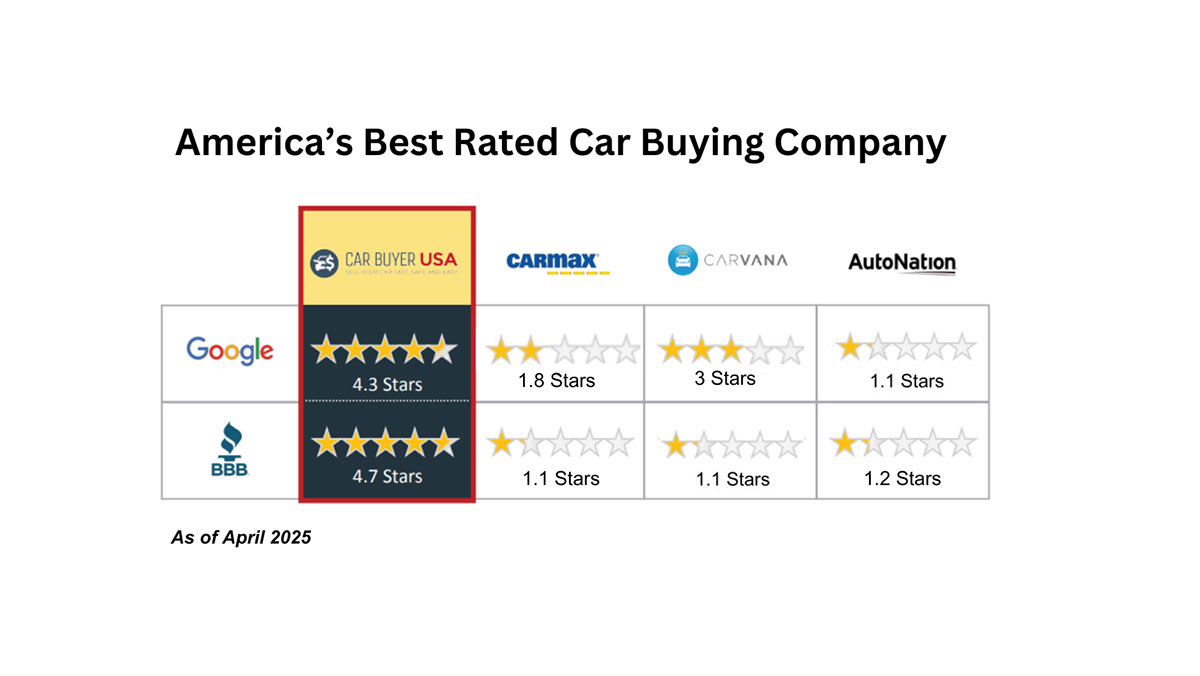
For sellers who want the transaction handled cleanly from start to finish, CarBuyerUSA.com handles vehicle purchases for Michigan owners and coordinates transactions nationwide. We purchase vehicles in a wide range of conditions, help guide the paperwork steps that matter, and coordinate pickup so sellers aren’t left dealing with loose ends after the keys are gone.