
Selling a car in Nevada is less about finding a buyer and more about closing the loop properly. Nevada is strict about how ownership is reported and when the seller’s responsibility officially ends. Many sellers make the mistake of assuming the buyer’s registration automatically clears them from the record. In Nevada, that assumption can lead to toll notices, parking violations, or DMV letters weeks after the sale. This guide explains how to sell a car in Nevada so the transfer is recognized quickly and your name is fully removed from the vehicle.
What Nevada Sellers Should Verify First
Nevada requires a valid certificate of title for most vehicle sales. Before advertising or handing over the keys, confirm:
- Your name matches the title exactly
- Any lien listed on the title has been paid off and released
- All owners listed on the title are available to sign
- The VIN on the vehicle matches the title
Nevada does not require notarization of vehicle titles, but incomplete or inaccurate titles can still block registration. Nevada also requires VIN verification inspections.
Title and Paperwork Rules in Nevada
Title Signing
When selling a vehicle in Nevada:
- Sign the title exactly as your name appears
- If two owners are listed, both must sign unless the title clearly states “OR”
- Avoid cross-outs, corrections, or missing fields
- Enter the sale date and odometer reading clearly
Errors on the title are one of the most common reasons buyers are unable to complete registration.
Odometer Disclosure
Odometer disclosure is required for vehicles that are not mileage-exempt due to age. Mileage must be recorded accurately at the time of sale. Incorrect or missing mileage entries can delay registration and create legal exposure later.
Bill of Sale
A bill of sale is recommended in Nevada. While the title transfers ownership, a bill of sale documents:
- Sale date
- Purchase price
- Buyer and seller information
This document can be helpful if questions arise later about taxes or ownership timing.
Emissions and Inspections in Nevada
Nevada has emissions testing requirements in certain counties, including Clark and Washoe. Sellers should understand:
- Emissions testing is typically completed by the buyer during registration
- Vehicles that cannot pass emissions are harder to sell privately
- Buyers often negotiate pricing based on emissions risk
There is no statewide safety inspection requirement tied to selling a vehicle, but emissions compliance heavily affects resale in urban areas.
License Plates, Registration, and Seller Responsibility
Nevada treats license plates differently than many states.
- License plates stay with the seller, not the vehicle
- Sellers must remove plates before releasing the car
- Buyers must register the vehicle and obtain new plates
Leaving plates on a sold vehicle can result in toll charges, tickets, or violations being traced back to the seller.
Notice of Transfer and Release of Liability
Nevada sellers are expected to complete a Notice of Transfer and Release of Liability after the sale. This step:
- Updates state records
- Helps protect the seller from future liability
- Confirms the date ownership changed
Skipping this step is one of the most common reasons sellers experience post-sale problems.
Taxes and Fees
- Buyers are responsible for registration fees and applicable taxes
- Sellers are not responsible for buyer taxes after the sale
- Accurate sale dates help protect the seller
Keep copies of all completed paperwork for your records.
Special Situations Nevada Sellers Should Understand
- Selling with a lien: Vehicles with active liens cannot be sold unless the lien is paid off and released before transfer
- Two names on the title: Both owners must sign unless “OR” is specified
- Lost title: Replacing it before selling avoids delays and buyer hesitation
- Non-running vehicles: Nevada allows the sale of non-running vehicles, but emissions requirements often affect buyer interest
Getting Paid Safely
Private vehicle sales in Nevada still carry payment risks. Fake cashier’s checks, delayed transfers, and third-party pickup arrangements are common warning signs. Never release the vehicle or title until payment is fully verified and cleared.
For many sellers, payment security becomes the most stressful part of the transaction.
When DMV Follow-Up Becomes the Bigger Issue
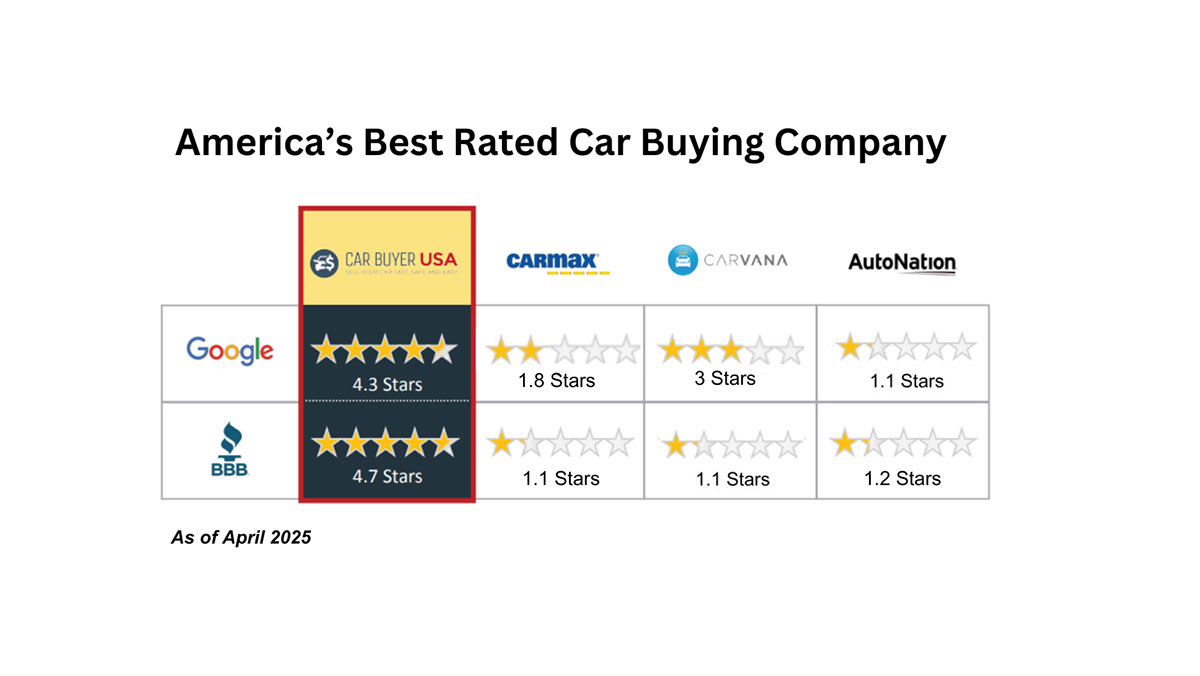
In Nevada, the sale doesn’t truly end until ownership records are updated and plates are removed. Coordinating buyers, ensuring paperwork accuracy, and filing the release of liability can take more effort than expected, especially when selling an older or emissions-challenged vehicle. For sellers who want a transaction that’s documented and finished cleanly,
CarBuyerUSA.com purchases vehicles in Nevada and beyond, including cars that are damaged, high-mileage, or no longer running. We help manage the steps that matter, coordinate pickup, and reduce the chance of post-sale issues resurfacing later.