
Selling a car in Pennsylvania often feels more formal than expected. The state puts a strong emphasis on verified paperwork, identity confirmation, and proper execution at the time of sale. Unlike states where sellers can sign a title and move on, Pennsylvania requires sellers to slow down and complete the transfer correctly, or risk having the transaction rejected later.
This guide explains how to sell a car in Pennsylvania so the buyer can register the vehicle without complications and the seller is clearly released from ownership. What Pennsylvania Sellers Should Check First
Pennsylvania requires a valid certificate of title for most vehicle sales. Before advertising or meeting a buyer, confirm:
- Your name matches the title exactly
- Any lien listed on the title has been fully paid and released
- All owners listed on the title are available to sign
- The VIN on the vehicle matches the title
Pennsylvania has stricter execution rules than many states, which makes preparation especially important.
Title and Paperwork Rules in Pennsylvania
Title Signing and Verification
Pennsylvania requires vehicle title transfers to be verified, typically through an authorized agent.
Important seller requirements include:
- The seller’s signature must be verified
- Identification is required at the time of signing
- All owners listed must participate unless the title clearly states “OR”
Titles that are signed incorrectly or outside the proper process are often rejected during registration.
Odometer Disclosure
Odometer disclosure is required for vehicles that are not mileage-exempt due to age. Mileage must be recorded accurately at the time of sale. Errors can delay registration and lead to disputes after the transaction.
Bill of Sale
A bill of sale is recommended in Pennsylvania. While the title transfer is the primary ownership document, a bill of sale helps document:
- Sale date
- Purchase price
- Buyer and seller details
This extra documentation can be helpful if questions arise later.
Inspections and Emissions in Pennsylvania
Pennsylvania requires safety inspections and emissions testing for most registered vehicles.
Sellers should understand:
- Inspections are generally completed by the buyer
- Vehicles that cannot pass inspection are harder to sell privately
- Buyers often factor inspection risk into pricing
Even though inspections occur after the sale, inspection readiness plays a major role in buyer confidence.
License Plates, Registration, and Seller Responsibility
Pennsylvania handles license plates differently than many states.
- License plates stay with the seller, not the vehicle
- Sellers must remove plates before releasing the car
- Buyers must obtain their own plates during registration
Leaving plates on a sold vehicle can expose the seller to tickets, tolls, or enforcement actions connected to the buyer’s driving.
Taxes and Fees
- Buyers are responsible for sales tax, title fees, and registration fees
- Sellers are not responsible for buyer taxes after the sale
- Recording the correct sale date protects the seller
Keeping copies of all signed and verified documents is strongly recommended.
Special Situations Pennsylvania Sellers Should Understand
- Selling with a lien: Vehicles with active liens cannot be sold unless the lien is paid off and released before transfer
- Two names on the title: Both owners must participate unless “OR” is specified
- Lost title: Replacing a lost title before selling avoids delays and buyer hesitation
- Non-running vehicles: Pennsylvania allows the sale of non-running vehicles, but inspection requirements often reduce buyer demand
Getting Paid Safely
Private vehicle sales in Pennsylvania still carry payment risks. Fake certified checks, delayed transfers, and pressure to complete the sale quickly are common warning signs. Never release the vehicle, title, or verification paperwork until payment has fully cleared.
For many sellers, payment certainty becomes the deciding factor in how they choose to sell.
When Verification Slows Everything Down
Pennsylvania’s verification process protects buyers, but it also adds friction to private sales. Coordinating schedules, documentation, inspection concerns, and payment timing can stretch a simple sale into a multi-step process.
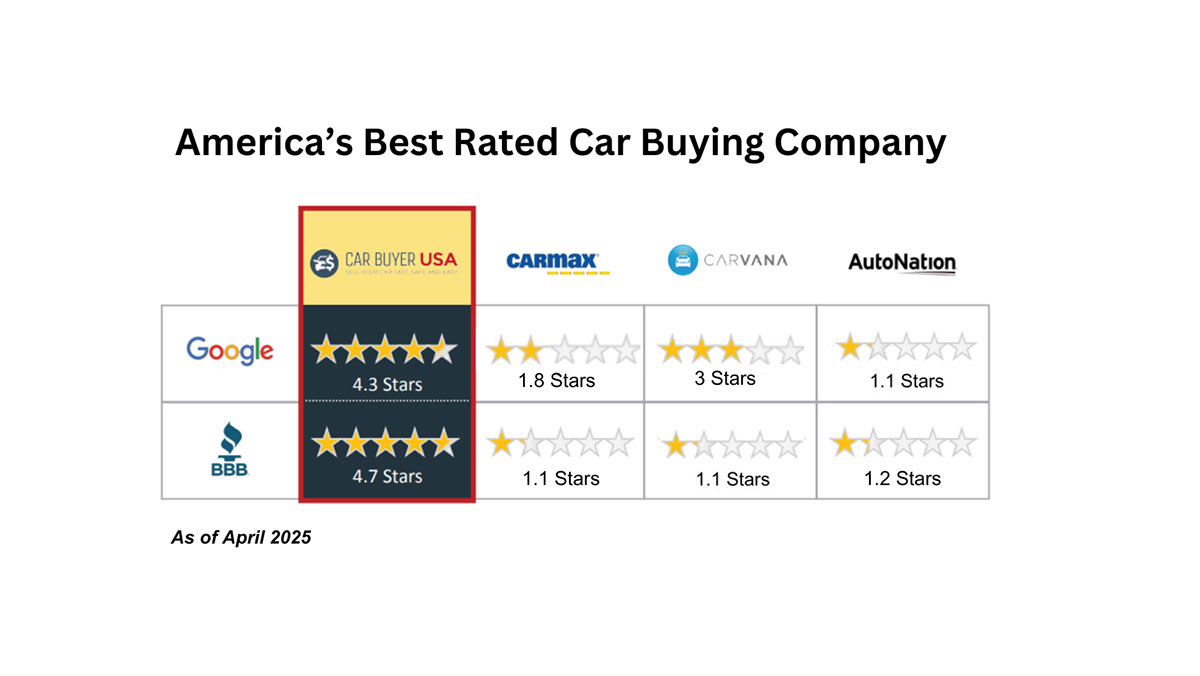
For sellers who prefer a more direct path, CarBuyerUSA.com purchases vehicles in Pennsylvania and in all other states, including cars that are high-mileage, damaged, or no longer running. We help keep the transaction structured, coordinate pickup, and guide the paperwork so sellers aren’t drawn back into the process later.