
Selling a car in Tennessee often looks straightforward on the surface, but the details matter more than many sellers expect. Tennessee places emphasis on proper title execution, lien accuracy, and seller responsibility after the sale, and most issues arise when paperwork is rushed or incomplete. Sellers who assume Tennessee works like neighboring states frequently discover problems only after the buyer attempts to register the vehicle.
This guide explains how to sell a car in Tennessee while protecting yourself from delays, disputes, and lingering liability.
What Tennessee Sellers Should Review First
Tennessee requires a valid certificate of title for most vehicle sales. Before listing the vehicle or meeting a buyer, confirm:
- Your name matches the title exactly
- Any lien listed on the title has been fully satisfied and released
- All owners listed on the title are available to sign
- The VIN on the vehicle matches the title
Tennessee does not require notarization of vehicle titles, but accuracy is critical.
Title and Paperwork Rules in Tennessee
Title Signing
When selling a vehicle in Tennessee:
- The seller signs the title exactly as printed
- All owners listed must sign unless the title clearly states “OR”
- Corrections, cross-outs, or whiteout can invalidate the transfer
- The sale date and odometer reading must be entered clearly
Titles with errors are a common reason buyers are turned away during registration.
Odometer Disclosure
Odometer disclosure is required for vehicles that are not mileage-exempt due to age. Mileage must be recorded accurately at the time of sale. Inaccurate readings can cause registration delays or disputes after the transaction.
Bill of Sale
A bill of sale is recommended in Tennessee. While the title transfers ownership, a bill of sale helps document:
- Sale date
- Purchase price
- Buyer and seller details
This documentation can help clarify responsibility if questions arise later.
Inspections and Emissions in Tennessee
Tennessee does not require statewide safety inspections for vehicle sales. However, emissions testing is required in certain counties, primarily in urban areas.
Sellers should understand:
- Emissions testing is typically handled by the buyer
- Vehicles that fail emissions may be harder to sell privately
- Buyers often negotiate pricing based on emissions risk
Knowing whether your county requires emissions testing helps set realistic expectations.
License Plates, Registration, and Seller Responsibility
Tennessee requires careful handling of license plates.
- License plates generally stay with the seller, not the vehicle
- Sellers should remove plates before releasing the car
- Buyers must register the vehicle and obtain their own plates
Leaving plates on a sold vehicle can expose the seller to tolls, tickets, or violations tied to the buyer’s driving.
Taxes and Fees
- Buyers are responsible for sales tax, registration fees, and title fees
- Sellers are not responsible for buyer taxes after the sale
- Recording the correct sale date helps protect the seller
Keeping copies of all signed paperwork is strongly recommended.
Special Situations Tennessee Sellers Should Understand
- Selling with a lien: Vehicles with active liens cannot be sold unless the lien is paid off and released
- Two names on the title: Both owners must sign unless “OR” is specified
- Lost title: Replacing a lost title before selling prevents delays and buyer hesitation
- Non-running vehicles: Tennessee allows the sale of non-running vehicles, but emissions requirements may reduce buyer demand
Getting Paid Safely
Private vehicle sales in Tennessee still involve payment risks. Fake cashier’s checks, delayed transfers, and pressure to release the vehicle early are common warning signs. Never hand over the vehicle or title until payment has fully cleared and been verified.
For many sellers, payment certainty is what ultimately determines how they choose to sell.
When Simple Sales Become Ongoing Obligations
In Tennessee, sellers often believe the transaction ends once the vehicle drives away. In reality, incomplete paperwork or plate mistakes can pull sellers back into the process weeks later. The most successful sales are the ones where ownership transfer is clean and final.
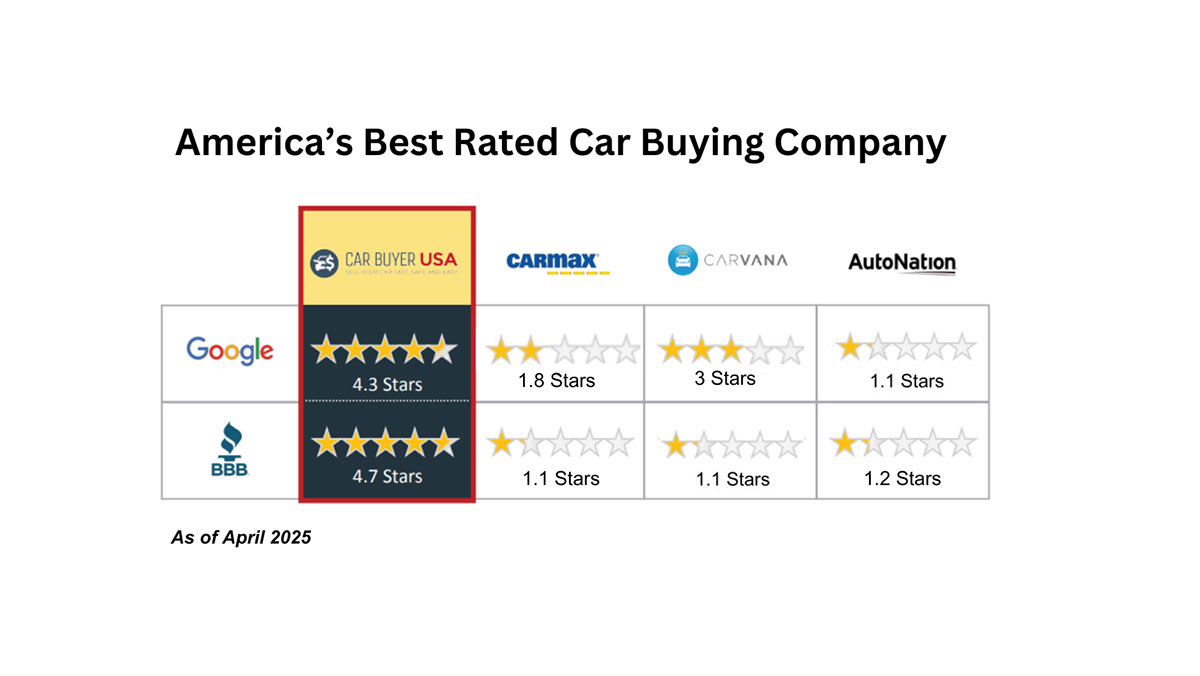
For sellers who want to avoid drawn-out private transactions, CarBuyerUSA.com purchases vehicles in Tennessee and nationwide, including cars that are high-mileage, damaged, or no longer running. We help keep the process contained, coordinate pickup, and guide the paperwork so sellers can move on without lingering responsibility.